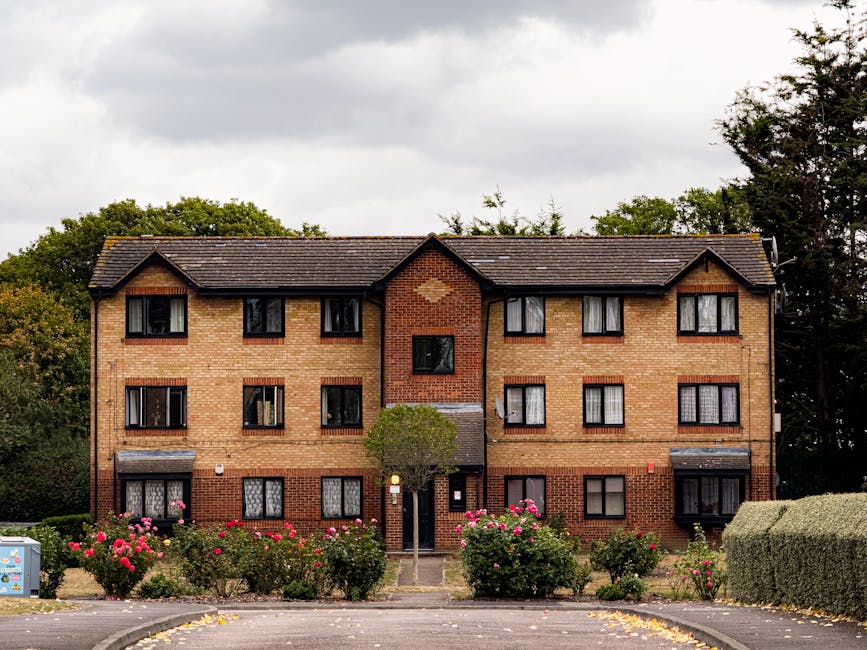
Flat cleaning checklist for Leatherhead Road Chessington KT9
If you live on or near Leatherhead Road in Chessington KT9, a good flat cleaning checklist can save time, reduce stress, and stop those annoying little details from being missed. Whether you are preparing for a tenancy handover, freshening up after a busy week, or planning a deep clean before guests arrive, having a clear plan makes all the difference. And let's face it, flats collect mess in sneaky places: behind radiators, under sofa cushions, around hob rings, in shower grout, and in the corners you only notice when the sunlight hits just right.
This guide gives you a practical, room-by-room approach to flat cleaning in Chessington. It is designed for real homes, not perfection fantasy. You will find a structured checklist, common mistakes to avoid, helpful methods, and a few local-service considerations if you want to bring in extra support. For example, if soft furnishings or carpets need more than a standard tidy-up, you may find carpet cleaning, upholstery cleaning, or steam carpet cleaning useful alongside your flat checklist.
Truth be told, the best cleaning checklist is the one you can actually follow. So this article keeps things practical, clear, and grounded in everyday flat life.
Why Flat cleaning checklist for Leatherhead Road Chessington KT9 Matters
A flat cleaning checklist matters because flats are compact, busy spaces where small lapses show quickly. One missed skirting board, one greasy extractor hood, or one dusty windowsill can make the whole home feel unfinished. In a rental property, those details can also affect inspections, deposit disputes, and the handover experience. In an owner-occupied flat, they affect comfort and how the space feels day to day.
On Leatherhead Road and nearby Chessington streets, flats often see a mix of family life, commuting, pets, and storage pressure. That means cleaning is rarely about one big job. It is about layers: surface cleaning, hygiene cleaning, and the less glamorous bits like limescale around taps or crumbs in drawer runners. A checklist gives you sequence. Sequence gives you consistency. And consistency, to be fair, is what makes a flat look properly clean rather than just quickly tidied.
There is another reason too. Flats usually have more fixed surfaces in less space, which means dust, cooking residue, and moisture can build up faster than people expect. A checklist helps you catch what a rushed clean misses. It also helps you decide when a simple domestic clean is enough and when a specialist service may be worth it, such as mattress cleaning, sofa cleaning, or rug cleaning.
Expert summary: A flat cleaning checklist is less about making cleaning harder and more about making it predictable. Predictable cleaning usually looks better, takes less time, and avoids the classic "oh, I forgot that" moment at the end.
How Flat cleaning checklist for Leatherhead Road Chessington KT9 Works
The best way to use a flat cleaning checklist is to work from top to bottom, then from dry tasks to wet tasks, and finally from low-effort visual checks to detail work. That sounds a bit methodical, but it saves time. If you clean a floor before wiping dusty shelves, you will probably have to do the floor again. Nobody wants that. Not really.
For most flats, the process works in five stages:
- Declutter first. Remove bins, laundry, loose items, dishes, and anything blocking surfaces.
- Dust and dry-clean. Start with shelves, frames, skirting boards, vents, and hidden ledges.
- Clean wet areas. Kitchens and bathrooms need extra attention because grease, soap residue, and limescale are stubborn.
- Vacuum and mop. Do this after dusting so debris does not get dragged around the flat.
- Inspect and finish. Check mirrors, handles, switches, taps, and high-touch areas before you call it done.
If you are cleaning for an end-of-tenancy or a move, it helps to follow a room order and keep a separate note for areas that need specialist help, such as stain removal on carpets or deodorising pet areas. Services like pet stain and odour removal and stain removal can make a noticeable difference when ordinary cleaning is not enough.
What works best in practice? A realistic timetable. For a one-bedroom flat, you may only need a few focused hours for maintenance cleaning. For a deep clean, especially if the flat has been lived in hard, budget more time and break the work into zones. That way the job feels manageable rather than endless.
Key Benefits and Practical Advantages
A flat cleaning checklist gives you more than tidy rooms. It gives you control. That matters when time is tight or when the flat needs to look presentable at short notice. The practical advantages are easy to see once you use a proper structure.
- Fewer missed spots. Detailed steps reduce the chance of forgetting inside ovens, behind taps, or under beds.
- Better time management. You know what to do next, so you waste less energy deciding.
- Cleaner finish. Working in the right order avoids dust and water streaks being spread around.
- Less stress before inspections or move-outs. A checklist gives you confidence that the important bits are covered.
- Improved hygiene. High-touch surfaces, sinks, and bathroom areas get the attention they need.
- Smarter use of specialist services. You can spot when carpets, upholstery, or curtains need more than regular cleaning.
A nice side benefit? It makes shared living easier. If you are cleaning with a partner, housemate, or cleaner, the checklist creates a common standard. No awkward "I thought you were doing the bathroom" conversations. We have all been there.
And for those on Leatherhead Road with busy schedules, the checklist is especially useful because it turns a big job into smaller decisions. Small decisions are easier to finish. That is the real trick.
Who This Is For and When It Makes Sense
This checklist is useful for a wide range of flat residents and property users in Chessington KT9. It is not just for one situation, and that is part of its value. If you live in a compact flat, you will probably find some version of this routine helpful every week or two. If you are preparing for a landlord inspection, it becomes much more important.
It makes sense for:
- Tenants getting ready for a check-out or inventory inspection
- Landlords and letting agents who want a consistent standard between tenancies
- Homeowners who want a clearer routine for upkeep
- Busy professionals who need a fast, efficient cleaning structure
- Families in flats where cooking, laundry, and daily traffic create extra mess
- People with pets who need help managing fur, smell, and accidental stains
It also makes sense when you are in a transition period. Before guests arrive, after builders have left dust behind, or after a long spell where cleaning has slipped. You know the kind of week. One thing piles up, then another, and suddenly the kettle ring looks like it has been there since last summer.
If the flat includes delicate items like wool rugs, upholstered dining chairs, or heavier curtains, a checklist can also help you decide whether to book specialist cleaning for those items separately. That is often where a curtain cleaning or rug cleaning service becomes useful, especially when dust or odour is lingering.
Step-by-Step Guidance
Here is a sensible room-by-room structure for a flat cleaning checklist in Leatherhead Road Chessington KT9. Keep it practical, not perfectionist. You are aiming for clean, fresh, and presentable.
1. Entryway and hallway
Start where dirt enters the flat. Shoes, coats, post, and bags tend to collect here first, and hallway dust is usually more visible than people think.
- Wipe the front door, handle, and light switches
- Dust shelves, ledges, and hooks
- Vacuum or sweep the floor edges
- Shake out mats or clean them properly if needed
- Check corners for cobwebs and loose debris
2. Living room
The living room often looks tidy at first glance, then you notice the fingerprints, the crumbs, the drink rings, and the fluff under the sofa. Classic.
- Dust all surfaces from higher shelves downward
- Wipe skirting boards and radiators
- Clean remote controls, switches, handles, and table tops
- Vacuum under cushions and around furniture edges
- Freshen soft furnishings if they smell stale or look dull
If your sofa is the family's favourite spot, it may need more than a surface wipe. A proper clean can help with embedded dust and everyday marks. That is where sofa cleaning or broader upholstery cleaning can support the checklist.
3. Kitchen
The kitchen usually needs the most disciplined approach because grease and food residue can spread into tiny places. The trick is not to rush the sequence.
- Clear and wipe worktops.
- Clean cupboard fronts, handles, and splash areas.
- Wipe the hob, splashback, and extractor hood exterior.
- Clean sink, taps, and draining board.
- Empty and wipe bins, then replace liners.
- Check the inside of appliances as needed, including fridge shelves and microwave walls.
For stubborn marks, use a suitable cleaner rather than scrubbing aggressively. Too much force can damage finishes and leave the kitchen looking worse. It is amazing how quickly a glossy cupboard can get scratched if you go in too hard.
4. Bathroom
Bathrooms need a different mindset: hygiene first, shine second. Limescale, soap scum, mould spots, and moisture all behave differently.
- Clean the toilet, including the base and behind the seat
- Scrub the sink, taps, and overflow
- Remove soap residue from shower screens and tiles
- Wipe mirrors and chrome fittings
- Ventilate the room well to help surfaces dry
If you notice recurring damp or mildew, tackle the cause as well as the stain. A tidy bathroom that still smells musty is never quite right.
5. Bedrooms
Bedrooms are deceptively simple. They need less visible scrubbing than kitchens or bathrooms, but dust gathers quietly on skirting, under beds, and on wardrobes.
- Change and wash bedding
- Dust wardrobes, bedside tables, shelves, and lamps
- Vacuum under the bed and around furniture legs
- Clean mirrors and windowsills
- Check mattresses for marks, dust, or odours
If a mattress has been used for a while without a proper refresh, specialist treatment can help. A deeper clean may be especially useful after illness, a long rental period, or if there are spill marks. In those cases, mattress cleaning is worth considering.
6. Floors throughout the flat
Floors are the final proof of the job. If the floor looks neglected, the whole flat can feel unfinished even when everything else is clean.
- Vacuum carpets slowly and in overlapping lines
- Move light furniture where possible
- Use a damp mop on suitable hard floors
- Pay attention to edges, thresholds, and under radiators
- Let floors dry fully before replacing rugs or chairs
If carpet traffic lanes are visible or the floor has heavy wear, a specialist approach may be more effective than standard vacuuming. That is especially true in compact flats where shoes, pets, and daily use concentrate in narrow areas.
Expert Tips for Better Results
A few small habits can lift the result from "done" to "properly done". These are the kinds of details that experienced cleaners look for instinctively.
- Work from top to bottom. Dust falls. Always.
- Use two cloths for wet areas. One for cleaning, one for drying or polishing.
- Let products sit where safe. A little dwell time helps with grease and soap residue.
- Open windows where possible. Fresh air speeds drying and cuts lingering smells.
- Use a separate cloth for the bathroom. It sounds obvious, but people forget under pressure.
- Spot-check under furniture. This is where move-out cleaning often succeeds or fails.
One practical tip that saves hassle: keep a "trouble spots" note on your phone. If the shower screen always needs extra work or the kitchen bin cupboard always smells faintly off, write it down. Next time you clean, you will go straight there instead of discovering it at the end.
Another good habit is to work in timed bursts. Twenty minutes in the kitchen, ten in the bathroom, a quick break, then the living room. It sounds simple because it is. And simple usually wins.
Common Mistakes to Avoid
Most flat cleaning problems come from rushing, skipping sequence, or using the wrong product in the wrong place. The good news is that these are easy enough to avoid once you know what to watch for.
- Cleaning floors first. Dust from shelves and surfaces will just fall back down.
- Ignoring edges and corners. These small areas are where dirt collects most stubbornly.
- Using too much water. Excess moisture can damage flooring, skirting, and some furniture finishes.
- Mixing products carelessly. That can be unsafe and usually gives poor results anyway.
- Forgetting high-touch points. Handles, switches, and remotes get handled constantly.
- Leaving odours unchecked. A visually clean flat can still feel unclean if smell is overlooked.
One thing people often underestimate is the effect of soft furnishings. Curtains, rugs, and sofas hold dust and smells in a way hard surfaces do not. If you have already cleaned the obvious areas and the flat still feels tired, that is probably why. In those cases, specialist cleaning for fabrics can make the whole place feel fresher without needing a huge overhaul.
Tools, Resources and Recommendations
You do not need a trolley full of products to clean a flat well. A sensible kit will usually do the job. Keep it simple and avoid buying five different sprays that all claim to do the same thing.
| Tool or product | Best use | Practical note |
|---|---|---|
| Microfibre cloths | Dusting, wiping, polishing | Good for reducing streaks and picking up fine dust |
| Vacuum cleaner | Carpets, rugs, upholstery, edges | Look for attachments for tight corners and furniture |
| Mop and bucket | Hard floors | Use the right amount of water for the surface |
| Non-abrasive cleaner | Kitchen and bathroom surfaces | Safer for finishes and fittings |
| Small scrub brush | Grout, taps, stubborn marks | Useful but do not over-scrub delicate surfaces |
| Bin liners and gloves | Waste handling and hygiene | Basic, but genuinely useful |
If you are cleaning a flat for an upcoming inspection, it may help to combine your own checklist with targeted professional work. Carpets, mattresses, and upholstered furniture are the items most likely to hold on to grime after a standard clean. That is where services such as carpet cleaning and upholstery cleaning can be a smart add-on rather than a luxury.
For peace of mind on service details, pricing, and how work is handled, useful reference pages include pricing and quotes, insurance and safety, and health and safety policy.
Law, Compliance, Standards, or Best Practice
For domestic flat cleaning, the main thing is to follow good practice rather than obsess over rules. That said, there are sensible expectations worth keeping in mind, especially in rented homes or when a cleaner is working professionally.
In the UK, tenants are generally expected to leave a property in a reasonably clean condition at the end of a tenancy, allowing for fair wear and tear. Landlords and agents usually care less about whether every surface is polished and more about whether the flat has been returned in a presentable, hygienic state. Deposit disputes often happen when one person says "clean" and the other says "not quite". A checklist helps reduce that mismatch.
If you hire cleaning help, it is wise to look for clear communication around scope, safety, and what is included. Written expectations matter. So do sensible handling practices for detergents, electricals, and fragile items. A reputable provider should be able to explain what they can do, what they cannot do, and how they manage risk. The same goes for payment transparency and terms, which is why pages like payment and security and terms and conditions are useful to review before booking.
Environmental best practice also matters. Using only the product you need, ventilating rooms properly, and avoiding wasteful over-cleaning all help. If sustainability is part of your decision-making, a page such as recycling and sustainability can help show how a business thinks about waste and materials.
Options, Methods, or Comparison Table
Not every flat needs the same cleaning method. A quick weekly clean, a deep clean, and an end-of-tenancy clean are related, but they are not identical. Choosing the right one saves both time and money.
| Method | Best for | Strengths | Limitations |
|---|---|---|---|
| Routine cleaning | Weekly upkeep and lived-in flats | Fast, manageable, keeps the flat under control | May miss embedded dirt and neglected areas |
| Deep cleaning | Spring cleaning, post-party reset, seasonal refresh | More detailed, reaches hidden grime | Needs more time and effort |
| End-of-tenancy cleaning | Move-outs and inspections | Focuses on handover standards and presentation | Can be demanding if the flat has heavy use |
| Specialist item cleaning | Carpets, mattresses, sofas, curtains | Targets problem materials and odours | Usually used alongside, not instead of, general cleaning |
If you are unsure which route suits your flat, think about the finish you need. For a Sunday reset, routine or deep cleaning may be enough. For a moving day handover, a more detailed checklist plus specialist support is often the safer choice.
Case Study or Real-World Example
Imagine a one-bedroom flat off Leatherhead Road with a small hallway, compact kitchen, and living room that doubles as a work-from-home space. The place looks fine at first glance. But once the afternoon light comes through the window, you notice dust on the skirting, a faint mark on the lounge carpet, and a build-up of grease near the hob. Nothing dramatic. Just enough to make the flat feel tired.
The resident starts with decluttering, then works through the checklist room by room. Hallway first. Kitchen second. Bathroom after that. They vacuum the carpet slowly, wipe the switches, and spend a little extra time on the sofa arms where hands and snacks have left their mark. A mattress topper is removed and the bedroom gets a proper airing. The final step is a quick walk-through with the lights on, looking for streaks, crumbs, or missed corners.
The result is not showroom-perfect, and that is fine. It feels cleaner. It smells fresher. The flat looks looked after. That is usually the real goal.
In situations like this, a bit of targeted professional help can finish the job nicely. If the carpet still looks dull or the sofa has years of daily use in it, specialist treatment can lift the whole room faster than a second round of household scrubbing.
Practical Checklist
Use this checklist as a final pass for a flat on Leatherhead Road Chessington KT9. You can print it, copy it into notes, or just work through it mentally. Simple is good.
- Declutter all rooms and remove rubbish
- Open windows for ventilation where possible
- Dust high surfaces, shelves, and frames
- Wipe skirting boards, switches, and handles
- Clean mirrors, glass, and shiny fixtures
- Descale taps, shower screens, and sink areas
- Clean hob, splashback, and worktops in the kitchen
- Empty and wipe bins
- Vacuum carpets, rugs, and upholstered furniture
- Mop suitable hard floors
- Check under beds, sofas, and appliances
- Refresh bedding and soft furnishings
- Spot-treat marks or stains where appropriate
- Inspect odours, damp spots, and hidden grime
- Do a final walkthrough from room to room
Quick takeaway: If you only remember one thing, remember this: clean from high to low, dry to wet, and obvious to hidden. That order alone saves a surprising amount of rework.
Conclusion
A flat cleaning checklist for Leatherhead Road Chessington KT9 is most valuable when it helps you stay organised without turning cleaning into a marathon. The goal is not to do everything in one heroic burst. The goal is to make the flat cleaner, fresher, and easier to maintain, using a routine that fits normal life.
Whether you are a tenant preparing to move, a homeowner trying to keep on top of things, or someone who simply wants the flat to feel calmer at the end of the day, a good checklist brings order to the mess. And that matters. A lot more than people sometimes admit.
When the everyday cleaning is not enough, it can be worth pairing your checklist with specialist help for carpets, upholstery, rugs, curtains, or mattresses. That way the whole flat feels properly cared for, not just surface-level tidy.
Get a free quote today and see how much you can save.
For more about the team behind the service, you can also read about us or get in touch through the official contact page when you are ready.
Frequently Asked Questions
How often should I use a flat cleaning checklist?
For most flats, a light checklist works weekly and a deeper version works monthly. If you have pets, frequent cooking, or a small space with lots of foot traffic, you may want to review it more often.
Is a flat cleaning checklist useful for end-of-tenancy cleaning?
Yes. It helps you cover all the detail areas that are easy to miss when time is tight, like skirting boards, appliances, behind toilets, and the edges of flooring.
What rooms should I prioritise first?
The kitchen and bathroom usually come first because they show dirt quickly and tend to hold odours. After that, move on to living areas and bedrooms, then finish with floors.
Should I clean carpets before or after dusting surfaces?
After dusting. That way dust and crumbs fall onto the floor only once, and you do not end up cleaning the carpet twice. It sounds basic, but it saves a lot of time.
Can I use one checklist for a studio flat and a two-bedroom flat?
Yes, but adapt the amount of detail. A studio flat may need the same cleaning logic, just less repetition. A larger flat will need a more room-by-room approach.
What if I have stains that will not shift?
Spot cleaning can help, but stubborn marks sometimes need specialist treatment. Services such as stain removal or fabric cleaning can be more effective than repeated scrubbing at home.
Do I need professional cleaning for a flat in Chessington KT9?
Not always. Many flats can be kept in great condition with a good routine. Professional cleaning makes more sense when you are short on time, dealing with deep-set dirt, or preparing for a tenancy handover.
How do I stop my flat smelling stale even after cleaning?
Focus on fabrics, bins, drains, and ventilation. Soft furnishings, mattresses, and carpets often hold odours longer than hard surfaces. Fresh air helps too, when weather and layout allow it.
What cleaning products are safest for flats with mixed surfaces?
Use mild, non-abrasive products first and always check suitability for the surface. A single harsh cleaner can damage delicate finishes, so it is better to test carefully than to overdo it.
Is a checklist useful if I live alone?
Very much so. In fact, solo living can make cleaning easier to postpone because nobody else notices the small build-ups. A checklist keeps the job from becoming one giant catch-up day.
What should I do before a cleaner arrives?
Declutter first. Put away personal items, clear floors where possible, and flag any areas needing special attention. That lets the cleaner focus on cleaning instead of moving objects around.
Where can I check booking, payment, or service details?
Useful pages include pricing and quotes, payment and security, and terms and conditions. They help set expectations before any work begins.